Twin windows over a kitchen sink, a triple in a living room, a picture window with a transom above it: on most multifamily projects, a good share of the openings are mulled windows. They look like one big window, but structurally and for water they behave like several windows and a joint. That joint is where mulled assemblies win or lose.
Here’s what builders and project teams need to know about how mulled windows are joined, how they’re rated, and how to install and flash them so they pass inspection and the field water test.
What are mulled windows?
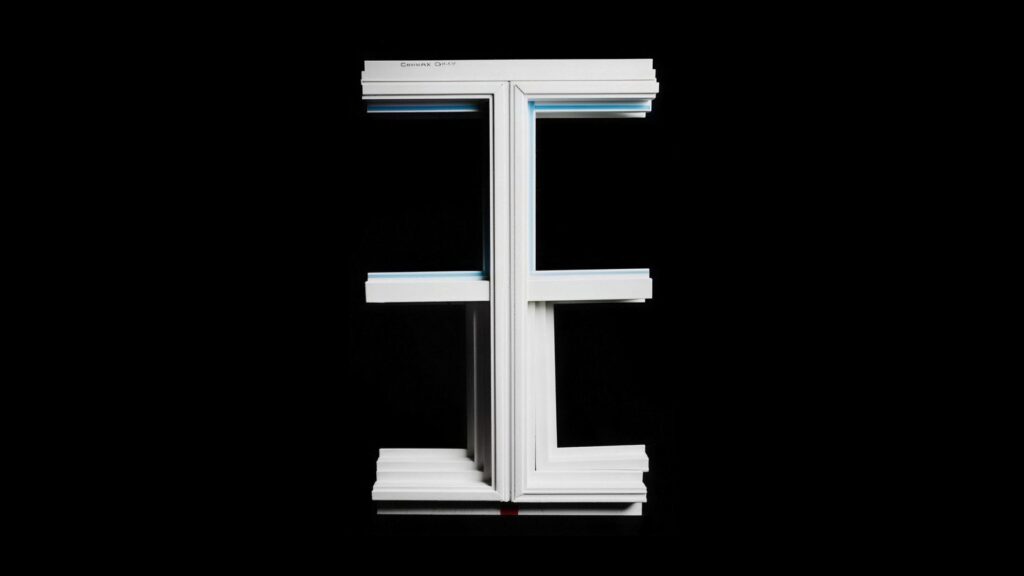
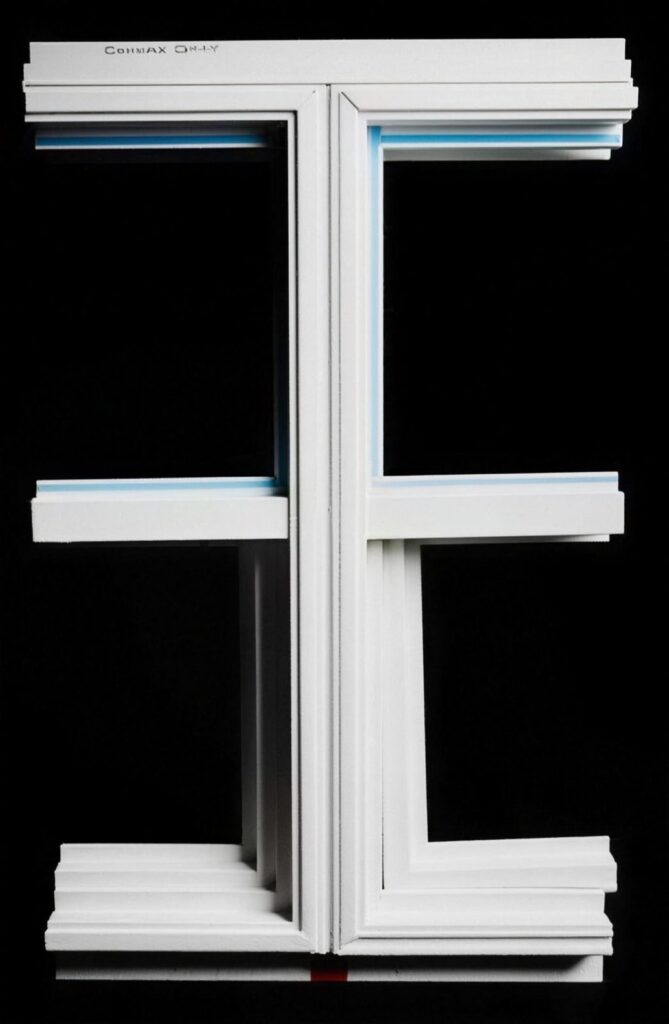
A mulled window is two or more individual window units joined together into a single assembly. The joint between the units is called the mull or mullion. “Mulling” is the process of connecting the frames, usually with a connector profile, fasteners and sealant, and in some cases a structural reinforcement inside the mullion.
Common configurations include:
- Twins and triples: two or three units side by side, often single hung.
- Stacked units: a fixed transom over an operating window.
- Combination assemblies: a mix of operating and fixed units in a larger opening.
Mulled units can be joined at the factory or in the field. Factory mulling gives you a consistent joint, built and sealed indoors, and shows up on site ready to set in one opening. Field mulling adds labor and puts the quality of the joint in the hands of the crew.
Why mulled windows need extra attention
A single window has four sides to flash. A twin has the same perimeter plus a joint running the full height of the opening, and a longer head and sill. That adds three risks:
- Structure. Wind load on a wide assembly is carried partly by the mullion. If the mullion deflects too much, the joint can open up, the sash can bind, or glass can fail.
- Water. The mull joint is a direct path from the exterior face of the window to the rough opening. If it isn’t sealed and drained, water that gets in shows up at the sill or in the wall below.
- Installation. A heavier, wider unit is harder to set plumb, level and square. Without support at the mull, the sill can sag and the units rack.
How mulled windows are rated
Individual windows are tested and rated to the North American Fenestration Standard (NAFS) for air, water and structural performance, which gives you the design pressure (DP) rating on the label. When windows are mulled together, the industry standard for rating the combination is AAMA 450, the performance rating method for mulled combination assemblies, composite units and other mulled fenestration systems.
Under that approach, a mulled assembly can be qualified by testing the whole assembly, by testing the mullion as a component, or by structural calculation. The key takeaway for your submittals:
The overall design pressure of a mulled assembly is the lower of the individual window’s rating and the mulled system’s rating. The assembly is only as strong as its weakest element.
That’s why it matters to ask for mulled-assembly ratings, not just single-unit ratings, when you’re building in a wind zone or a hurricane-prone region. Our windows are FBC and DP-50 rated for impact resistance, noise reduction and compliance with hurricane-prone region codes. Ask us for the approvals and ratings that apply to the specific configurations on your schedule.
Anchoring the mullion
Many mulling systems rely on clips or brackets that anchor the mullion to the framing at the head and sill so it can carry its share of the wind load. Those clips add parts, labor and inspection points, and they have to be installed correctly every time.
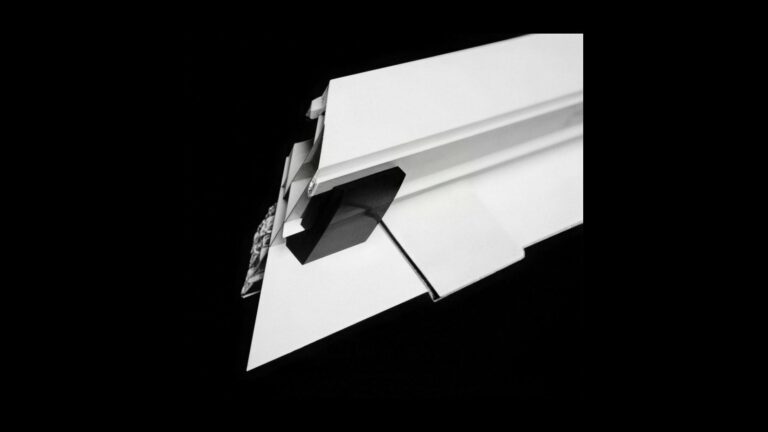
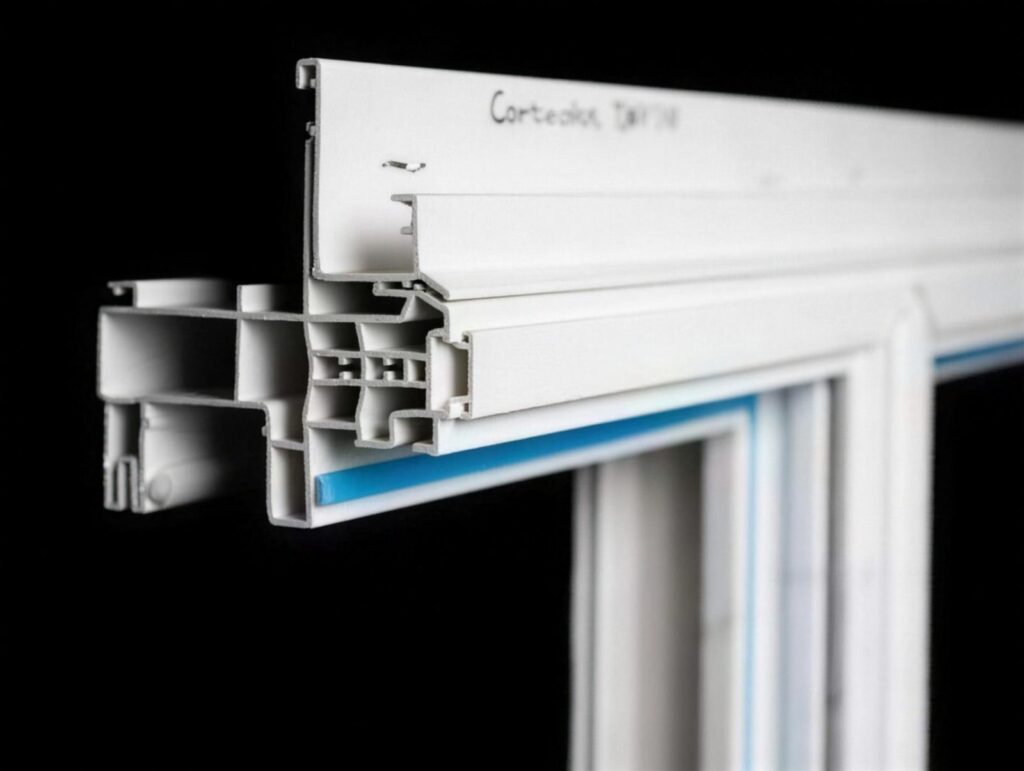
All American Window Company’s mulling system is designed so no clips are needed to anchor to the framing. The result is a seamless window connection that installs faster and looks cleaner across multiple units. On the 2100 Series, a removable connector cap finishes the mull with a clean, continuous look.
Water management for mulled windows
The best mulled assemblies handle water at the joint itself and at the head and sill of the whole assembly:
- A continuous nail fin. A gap in the nailing fin at the mull is a gap in your flashing plane. We use technology similar to our water management patents to create a continuous nail fin between windows and transoms, so the flashing tape has one uninterrupted surface to seal to.
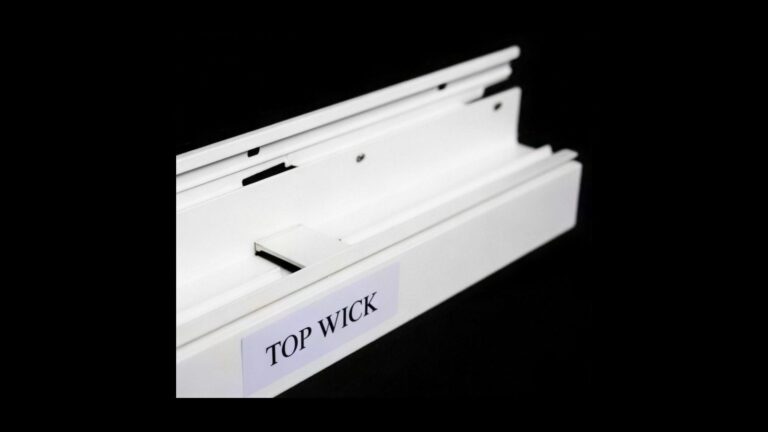
- Super Wick and Super Shim. Our patented Super Shim levels each unit in the assembly and the patented Super Wick channels water away from the sill, which reduces labor and field adjustments.
- Drainage at the sill. A super wick channels water away from the sill, and the 2100 Series adds extra weep holes for heavy rain.
See how each piece works on our water management page.
Installation tips for mulled windows
- Check the rough opening against the overall assembly size, not the individual units. Wider openings need a level, flat sill and a properly sized header.
- Prep one continuous, level sill under the full width of the assembly, flashed per the wall system’s requirements, rather than piecing each unit separately.
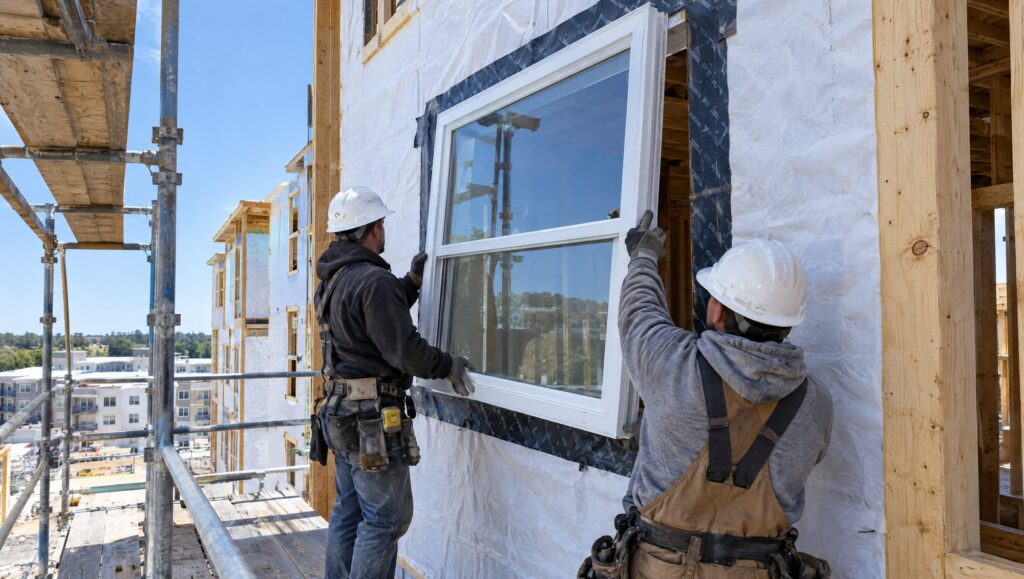
- Lift and set as one unit with enough hands to keep the assembly from racking at the mull.
- Shim under the mullion as well as at the jambs so the sill doesn’t sag in the middle. Built-in super shims make leveling faster.
- Fasten per the manufacturer’s instructions, including any required fasteners at the mull and the spacing on the fin.
- Flash in shingle order: jambs first, then continuous head flashing across the full width, then the WRB head flap down over the top.
- Test before siding goes on where your project calls for field water testing, so any leak at the mull can be fixed while the opening is still accessible.
Frequently asked questions
What does “mulled” mean on a window?
It means two or more window units are joined together with a mullion to form one assembly, such as a twin or a window with a transom.
Are mulled windows weaker than single windows?
Not if the mullion and connections are designed and rated for the load. The overall rating is the lower of the single-unit rating and the mulled-assembly rating, so ask for both on your submittals.
Factory mulled or field mulled?
Factory mulling is usually more consistent and faster on site because the joint is built and sealed in controlled conditions. Field mulling may be needed for very large assemblies or shipping limits.
Mulled windows for your next project
All American Window Company designs and manufactures windows for multifamily construction in North Charleston, South Carolina. See the 2100 Series, then send us your window schedule for pricing and lead times on every configuration, from single units to twins and transoms.